Postpartum Diet for Mothers
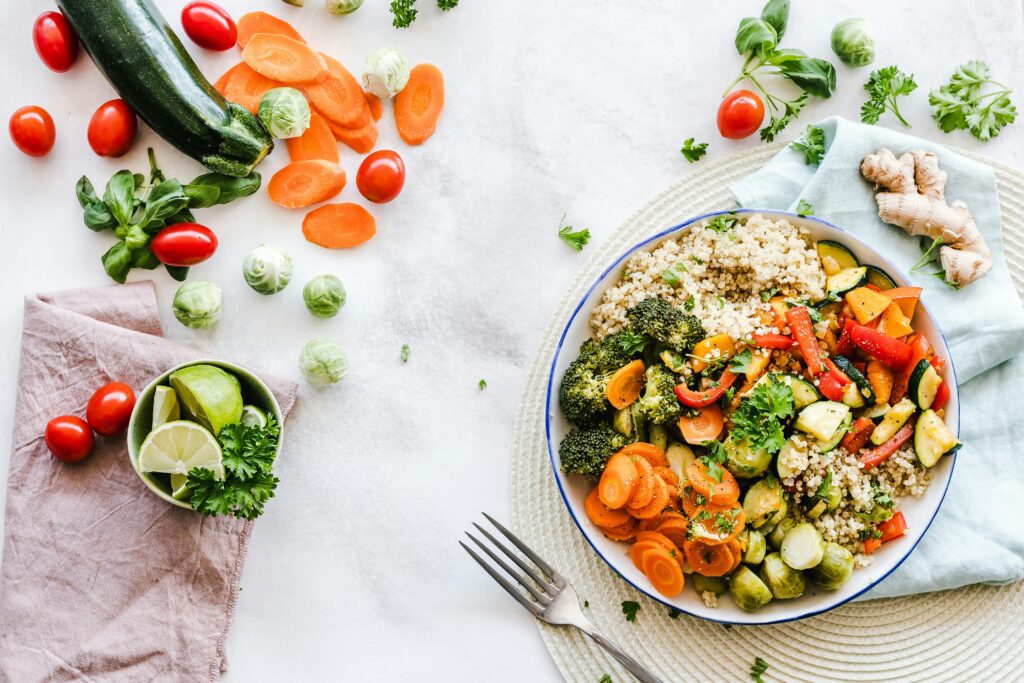
Proper nutrition during the postpartum period is essential for maternal recovery, energy maintenance, and successful breastfeeding. The months following childbirth place significant nutritional demands on a mother’s body as it heals from pregnancy and birth while potentially producing milk for a growing baby. Understanding optimal postpartum nutrition helps mothers recover faster, maintain energy levels, and support their overall health during this critical period.
Nutritional Needs During Postpartum
Increased Caloric Requirements
- Breastfeeding mothers: Need an additional 300-500 calories per day
- Non-breastfeeding mothers: Can return to pre-pregnancy caloric needs
- Quality over quantity: Focus on nutrient-dense foods rather than empty calories
- Individual variations: Needs vary based on activity level and body size
Essential Nutrients
- Protein: 71 grams daily for tissue repair and milk production
- Iron: 9-18 mg daily to replenish blood loss and prevent anemia
- Calcium: 1000 mg daily for bone health and milk production
- Vitamin D: 600 IU daily for bone health and immune function
- Omega-3 fatty acids: Support brain health and reduce inflammation
Recovery-Supporting Foods
Healing and Anti-Inflammatory Foods
- Leafy greens: Spinach, kale, and collards for iron and folate
- Fatty fish: Salmon, sardines, and mackerel for omega-3s
- Colorful fruits: Berries, citrus, and tropical fruits for vitamin C
- Nuts and seeds: Almonds, walnuts, and chia seeds for healthy fats
- Lean proteins: Chicken, turkey, eggs, and legumes for tissue repair
Energy-Boosting Foods
- Complex carbohydrates: Quinoa, brown rice, and oats for sustained energy
- Iron-rich foods: Lean red meat, lentils, and fortified cereals
- B-vitamin sources: Whole grains, eggs, and dairy for energy metabolism
- Healthy snacks: Greek yogurt, fruit, and nut combinations
Breastfeeding Nutrition
Milk Production Support
- Adequate hydration: 8-10 glasses of water daily, more if thirsty
- Galactagogue foods: Oats, fennel, and fenugreek may support milk supply
- Protein priority: Include protein at every meal and snack
- Healthy fats: Avocados, olive oil, and nuts for milk quality
Foods to Limit or Avoid
- Alcohol: Limit to occasional small amounts, time carefully
- Caffeine: Moderate intake (1-2 cups coffee) to avoid baby irritability
- High-mercury fish: Avoid shark, swordfish, and king mackerel
- Processed foods: Minimize foods high in additives and preservatives
Meal Planning and Preparation
Practical Meal Strategies
- Batch cooking: Prepare large quantities and freeze portions
- One-pot meals: Stews, soups, and casseroles for easy preparation
- Slow cooker meals: Set-and-forget cooking for busy days
- Healthy snack prep: Pre-cut fruits, nuts, and yogurt portions
Time-Saving Tips
- Pre-washed produce: Save time with ready-to-eat fruits and vegetables
- Frozen options: Frozen fruits and vegetables retain nutrients
- Simple combinations: Focus on basic, nutritious meal combinations
- Family help: Accept meal preparation assistance from others
Hydration and Fluid Intake
Water Requirements
- Breastfeeding needs: 13 cups (104 ounces) of fluids daily
- Non-breastfeeding needs: 9 cups (72 ounces) of fluids daily
- Quality sources: Water, herbal teas, and milk count toward intake
- Thirst cues: Drink when thirsty and monitor urine color
Hydrating Foods and Beverages
- Water-rich fruits: Watermelon, oranges, and berries
- Hydrating vegetables: Cucumbers, tomatoes, and lettuce
- Herbal teas: Caffeine-free options like chamomile and ginger
- Broths and soups: Nutritious and hydrating meal options
Managing Common Challenges
Lack of Appetite
- Small frequent meals: Eat smaller portions more often
- Nutrient-dense choices: Make every bite count nutritionally
- Smoothies and shakes: Liquid nutrition when solid food is unappealing
- Pleasant environment: Create enjoyable eating atmospheres
Time Constraints
- Quick assembly meals: Pre-cooked proteins with fresh additions
- Grab-and-go options: Healthy portable snacks and meals
- Simple preparations: Raw fruits, vegetables, and nuts
- Meal delivery: Consider healthy meal delivery services
Caribbean Postpartum Nutrition
Traditional Caribbean Foods
- Fresh tropical fruits: Mangoes, papayas, and guavas for vitamins
- Coconut products: Coconut water for hydration and electrolytes
- Fresh fish: Abundant seafood for protein and omega-3s
- Root vegetables: Sweet potatoes, yams, and plantains for energy
- Leafy greens: Callaloo and other local greens for iron
Climate Considerations
- Increased fluid needs: Hot climate requires extra hydration
- Cooling foods: Fresh fruits and salads for temperature regulation
- Light meals: Easier digestion in warm weather
- Food safety: Extra attention to freshness in tropical climates
Supplements and Vitamins
Recommended Supplements
- Prenatal vitamins: Continue during breastfeeding period
- Iron supplements: If blood tests show deficiency
- Vitamin D: Especially important if sun exposure is limited
- Omega-3 supplements: If fish intake is insufficient
Supplement Safety
- Healthcare consultation: Discuss all supplements with providers
- Quality assurance: Choose reputable brands with third-party testing
- Dosage awareness: Follow recommended dosages, avoid mega-doses
- Drug interactions: Consider interactions with medications
Weight Management
Healthy Weight Loss
- Gradual approach: Aim for 1-2 pounds per week maximum
- Breastfeeding benefits: Nursing burns 300-500 calories daily
- Nutrient focus: Prioritize nutrition over calorie restriction
- Exercise integration: Combine healthy eating with appropriate activity
Avoiding Restrictive Diets
- No crash diets: Extreme restriction can affect milk supply and health
- Balanced approach: Include all food groups for optimal nutrition
- Patience required: Body needs time to recover and adjust
- Professional guidance: Consult nutritionists for personalized plans
Sample Meal Plans
Breastfeeding Mother Daily Menu
- Breakfast: Oatmeal with berries, nuts, and Greek yogurt
- Mid-morning snack: Apple with almond butter
- Lunch: Quinoa salad with grilled chicken and vegetables
- Afternoon snack: Smoothie with spinach, banana, and protein powder
- Dinner: Baked salmon with sweet potato and steamed broccoli
- Evening snack: Greek yogurt with nuts and honey
Quick and Easy Options
- Breakfast: Whole grain toast with avocado and egg
- Lunch: Bean and vegetable soup with whole grain bread
- Dinner: Stir-fry with pre-cut vegetables and brown rice
- Snacks: Trail mix, cheese and crackers, fruit and nut bars
Special Dietary Considerations
Vegetarian and Vegan Mothers
- Protein combinations: Beans and grains for complete proteins
- B12 supplementation: Essential for vegan mothers
- Iron absorption: Combine iron-rich foods with vitamin C
- Calcium sources: Fortified plant milks, tofu, and leafy greens
Food Allergies and Intolerances
- Elimination diets: Only under professional guidance
- Alternative sources: Find substitutes for eliminated foods
- Nutritional adequacy: Ensure all nutrients are still obtained
- Baby monitoring: Watch for signs of food sensitivities in nursing babies
Mental Health and Nutrition
Mood-Supporting Foods
- Omega-3 rich foods: Support brain health and mood stability
- Complex carbohydrates: Help maintain stable blood sugar and mood
- Protein sources: Provide amino acids needed for neurotransmitter production
- Regular meals: Prevent blood sugar swings that affect mood
Avoiding Mood Disruptors
- Blood sugar spikes: Limit refined sugars and processed foods
- Excessive caffeine: Can increase anxiety and disrupt sleep
- Alcohol: Can worsen mood and interfere with sleep
- Skipping meals: Leads to mood swings and energy crashes
Getting Support
Professional Resources
- Registered dietitians: Personalized nutrition counseling
- Lactation consultants: Feeding and nutrition guidance
- Healthcare providers: Medical oversight and supplement recommendations
- Postpartum doulas: Meal preparation and nutrition support
Community Support
- Meal trains: Organize friends and family to provide meals
- New parent groups: Share recipes and meal ideas
- Online resources: Reputable nutrition websites and apps
- Family involvement: Include partners and family in meal planning
Proper postpartum nutrition is an investment in your recovery, energy, and long-term health. Focus on nutrient-dense whole foods, adequate hydration, and realistic meal planning that fits your new lifestyle. Remember that perfection isn’t the goal—consistency and balance are key. Listen to your body, seek support when needed, and be patient with yourself as you navigate this important period. Good nutrition during the postpartum period not only supports your physical recovery but also provides the energy and mental clarity you need to care for your new baby and adjust to your expanding family.